
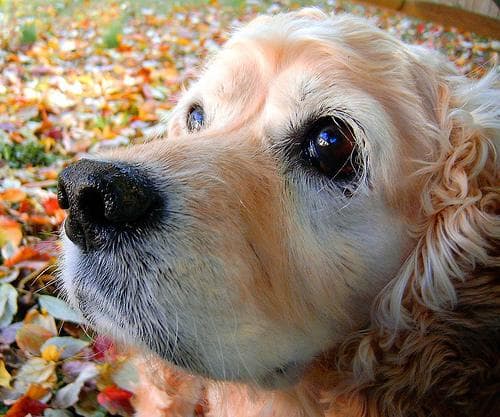
Why bite accidents with children happen
About 80% of bites to children come from a known dog — family pet, neighbour's, friend's. Rarely "aggression from nowhere"; usually:
- The dog was stressed or in pain and nobody read the signs.
- The child invaded the dog's safe space.
- There was a resource involved (food, toy).
- Play escalated without adult supervision.
No dog bites "out of the blue". The signs are always there. The problem is adults often miss or dismiss them.
Five non-negotiable rules
- Active supervision ALWAYS — "same room" is not enough; "I am watching" is.
- Safe spaces for the dog: a bed, a crate, a room the child does NOT enter.
- No hugging, squeezing, carrying like a soft toy.
- Never disturb while eating, sleeping or chewing.
- Teach the child to read the dog: if the dog growls, remove the child and praise the dog (it warned).
Stress signals every parent should know
- Yawning out of context, lip licking.
- "Whale eye" (whites of the eye visible).
- Stiff body, ears flat back.
- Tail tucked or only the tip moving tensely.
- Repeated paw or flank licking.
- Low growl (a warning, not aggression).
- Turning away, hiding.
When a baby comes home to a resident dog
- Before birth: let the dog sniff baby clothes from hospital; play recordings of baby sounds.
- Arrival: first meeting relaxed, not forced.
- Keep the dog's routine as similar as possible.
- Give positive attention to the dog WHEN baby is present.
- Clear physical separations (gates, room boundaries).
Toddlers (2-5)
The riskiest age group. Sudden movements, high-pitched yelling, clumsy hugs. Rules:
- Never alone in the same room, not even for 2 minutes.
- Teach early: "gentle hands", "do not step on the dog", "do not pull ears or tail".
- Stroking from the front, not over the head.
- If the dog moves away, let them go.
School-age children (6-12)
- Can help with care: feeding, brushing (supervised).
- Teach body-language reading.
- Bring them to a positive-reinforcement class if interested.
- Clear rules for visiting friends: not alone with the dog.
Breeds and child compatibility
No breed is universally "good" or "bad" with children — individual temperament matters more. Statistically, breeds with high tolerance and stable energy (Golden, Labrador, Beagle, Cavalier) tend to be more forgiving of child behaviour. But a fearful Labrador can be as risky as a fearful Rottweiler.
How CanAI helps
Ask the AI chat about specific situations ("my 3-year-old runs and the dog chases barking"). Log small incidents in CanAI — patterns become visible across weeks. And robust third-party liability cover matters even more with children in the home — a facial bite claim can run into tens of thousands.